
The Rise of Modern Urban Living
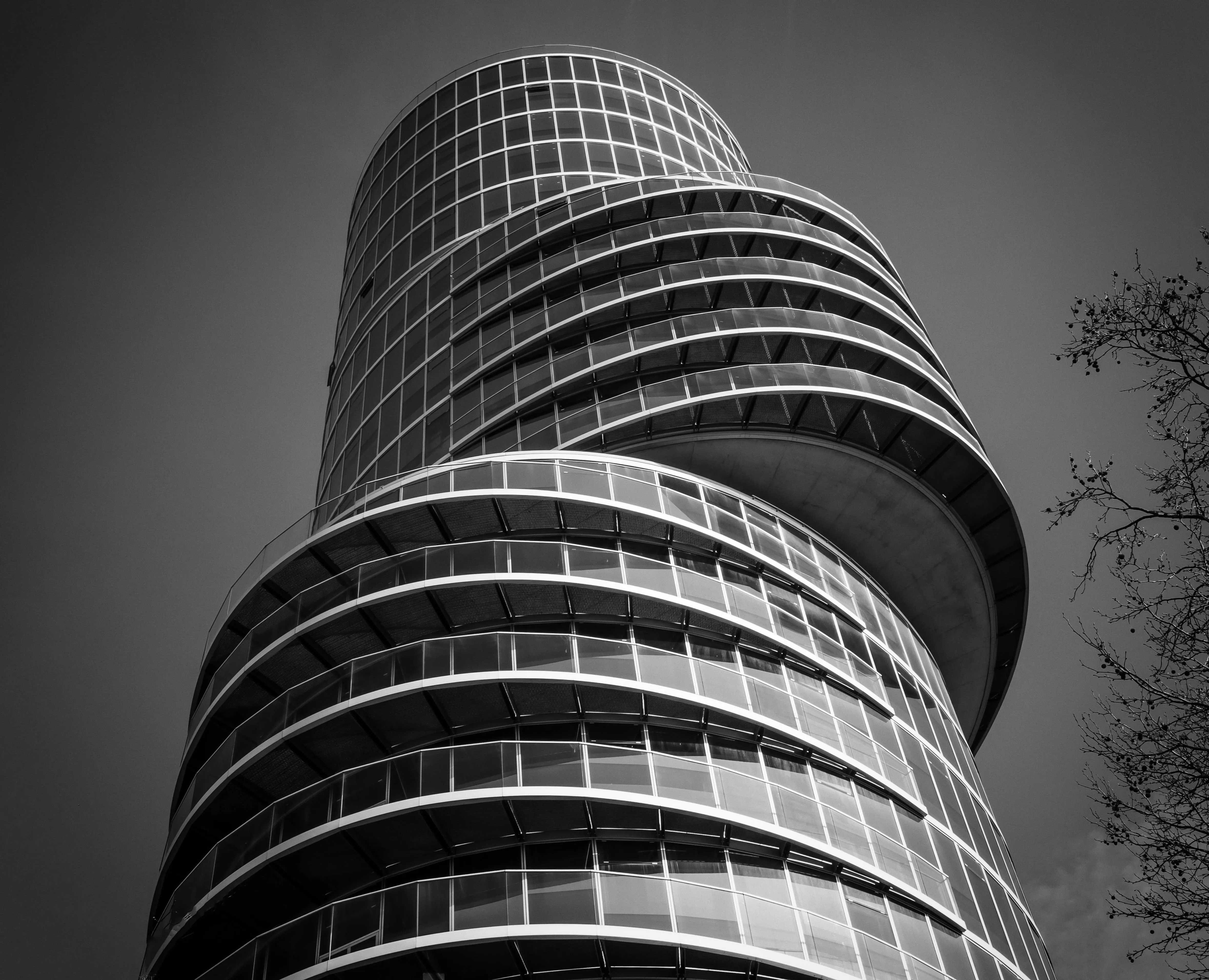
Urban environments around the world are undergoing a rapid transformation, reshaping not only the skyline but the very fabric of city life. Experts say this shift, driven by technology, sustainability initiatives, and evolving social behaviors, is creating a new model for modern living—one that balances convenience, efficiency, and environmental responsibility.
At the heart of this trend is the integration of smart infrastructure. Cities are adopting AI-powered traffic systems, energy-efficient buildings, and connected public services that aim to streamline daily life for residents while reducing environmental impact. “We’re witnessing a convergence of design, technology, and policy that’s redefining urban living,” says Dr. Michael Chen, an urban planning researcher at MetroLabs. “The modern city is becoming not just a place to live, but a living ecosystem.”
Real estate developers and city planners are increasingly focusing on mixed-use developments that combine residential, commercial, and recreational spaces within compact areas. This approach encourages walkability, reduces reliance on cars, and fosters community engagement. In addition, co-living and co-working spaces are becoming more prevalent, reflecting changing work habits and lifestyle preferences among younger urban populations.
Sustainability is also a central concern. Green rooftops, urban gardens, and renewable energy installations are becoming standard features of new developments, while municipalities implement policies to encourage carbon-neutral infrastructure. These efforts aim to address the growing pressures of population density, climate change, and resource scarcity in urban centers worldwide.
The rise of smart mobility is another critical aspect of modern urban living. Electric vehicles, bike-sharing programs, and integrated public transport systems are reshaping how people move through cities. AI-powered traffic management and predictive analytics are helping reduce congestion, optimize routes, and lower emissions, creating more livable urban spaces.
Tech companies and startups are playing a major role in this transformation. From IoT-enabled appliances to AI-driven building management systems, technology is not just a convenience—it is central to how modern cities operate. Investors have taken notice, channeling billions into innovations aimed at creating smarter, safer, and more resilient urban communities.
However, experts caution that these changes come with challenges. Rapid urbanization and technological integration can exacerbate social inequalities if not managed inclusively. Privacy, data security, and equitable access to new urban technologies remain pressing concerns for policymakers, residents, and businesses alike. “The rise of modern urban living is exciting, but it must be inclusive,” emphasizes Priya Rao, an urban development consultant. “Without careful planning, these advancements could widen existing gaps in access and opportunity.”
Despite these challenges, the momentum is undeniable. Across continents, cities are embracing innovation, sustainability, and human-centered design to create environments that are efficient, connected, and adaptable. Analysts predict that this transformation will continue to accelerate, influencing not only architecture and city planning but also culture, social dynamics, and economic activity.
For residents, the rise of modern urban living promises a lifestyle that combines convenience, connectivity, and environmental consciousness. For businesses and governments, it offers an opportunity to innovate and optimize city systems for the 21st century. And for observers worldwide, it presents a glimpse into a future where urban life is smarter, greener, and more dynamic than ever before.
One thing is certain: the evolution of cities is no longer gradual—it’s a rapid, transformative wave reshaping how we live, work, and interact in the modern world.