
Predators and Prey in a Delicate Balance
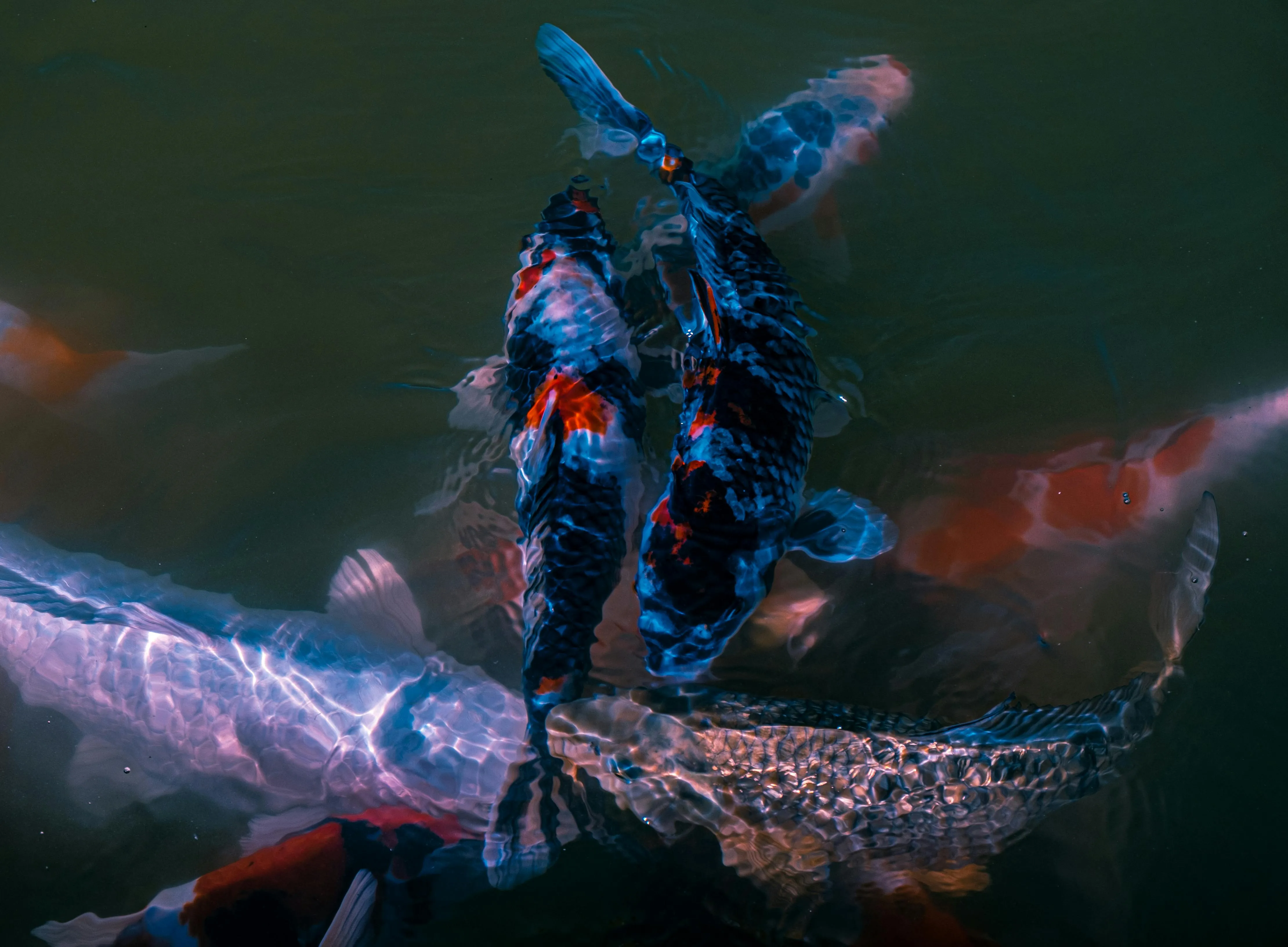
In ecosystems around the world, predators and their prey maintain a delicate balance that is essential for biodiversity, ecological stability, and the health of the planet. Scientists emphasize that disrupting this balance—whether through human activity, climate change, or invasive species—can have cascading effects that threaten the integrity of entire habitats.
Predators play a critical role in regulating prey populations, preventing overgrazing or overpopulation that could otherwise damage vegetation, reduce biodiversity, and destabilize ecosystems. Conversely, prey species are essential in providing food for predators and maintaining the natural cycles of energy and nutrient flow. “The relationship between predators and prey is not merely survival of the fittest,” explains Dr. Aisha Patel, an ecologist specializing in wildlife dynamics. “It is a complex interaction that sustains ecosystems over generations.”
Recent research highlights the impact of apex predators on ecosystem health. Wolves, big cats, sharks, and birds of prey, among others, shape not only the populations of their direct prey but also influence vegetation, soil health, and even the behavior of other species. Reintroducing predators to areas where they had been extirpated has demonstrated dramatic ecological benefits. For example, studies in Yellowstone National Park show that wolves’ presence led to healthier forests, stabilized riverbanks, and improved biodiversity across multiple species.
Human activity, however, has disrupted this balance in countless regions. Habitat destruction, hunting, pollution, and climate change have diminished predator populations in many parts of the world, leading to overpopulation of prey species in some areas and the collapse of certain ecosystems in others. Conservationists warn that without strategic intervention, the ripple effects can extend to human communities, impacting agriculture, water resources, and even disease prevalence.
Efforts to protect this balance are increasingly sophisticated. Wildlife corridors, anti-poaching initiatives, and habitat restoration programs aim to support both predator and prey populations. Advanced technologies such as GPS tracking, drone surveillance, and AI-powered data modeling allow ecologists to monitor interactions, detect trends, and implement targeted interventions. “Technology has transformed our ability to understand and protect these delicate systems,” notes Priya Rao, a conservation technology specialist. “We can now anticipate changes before they become catastrophic.”
Education and public engagement are also critical. Community-based programs that involve local populations in conservation efforts have proven effective, fostering a sense of stewardship and highlighting the interconnectedness of human activity and wildlife health. Initiatives that promote coexistence, mitigate human-wildlife conflict, and celebrate the importance of biodiversity help ensure that these natural balances are respected.
Experts caution that achieving stability is an ongoing process. Climate change, invasive species, and unpredictable human development continue to pose challenges. Maintaining the equilibrium between predators and prey requires adaptive strategies, long-term monitoring, and international cooperation to ensure that ecosystems remain resilient and functional.
Ultimately, the delicate balance of predators and prey is a reminder of the complexity and interconnectedness of life on Earth. Protecting these dynamics safeguards not only the species involved but also the ecological services upon which humans rely—clean air and water, fertile soil, and the stability of natural habitats.
As conservation efforts continue worldwide, the lesson is clear: understanding, respecting, and maintaining the balance between predators and prey is vital for the health of our planet and the survival of countless species, including our own.