
An Ancient Landmark That Survived Centuries
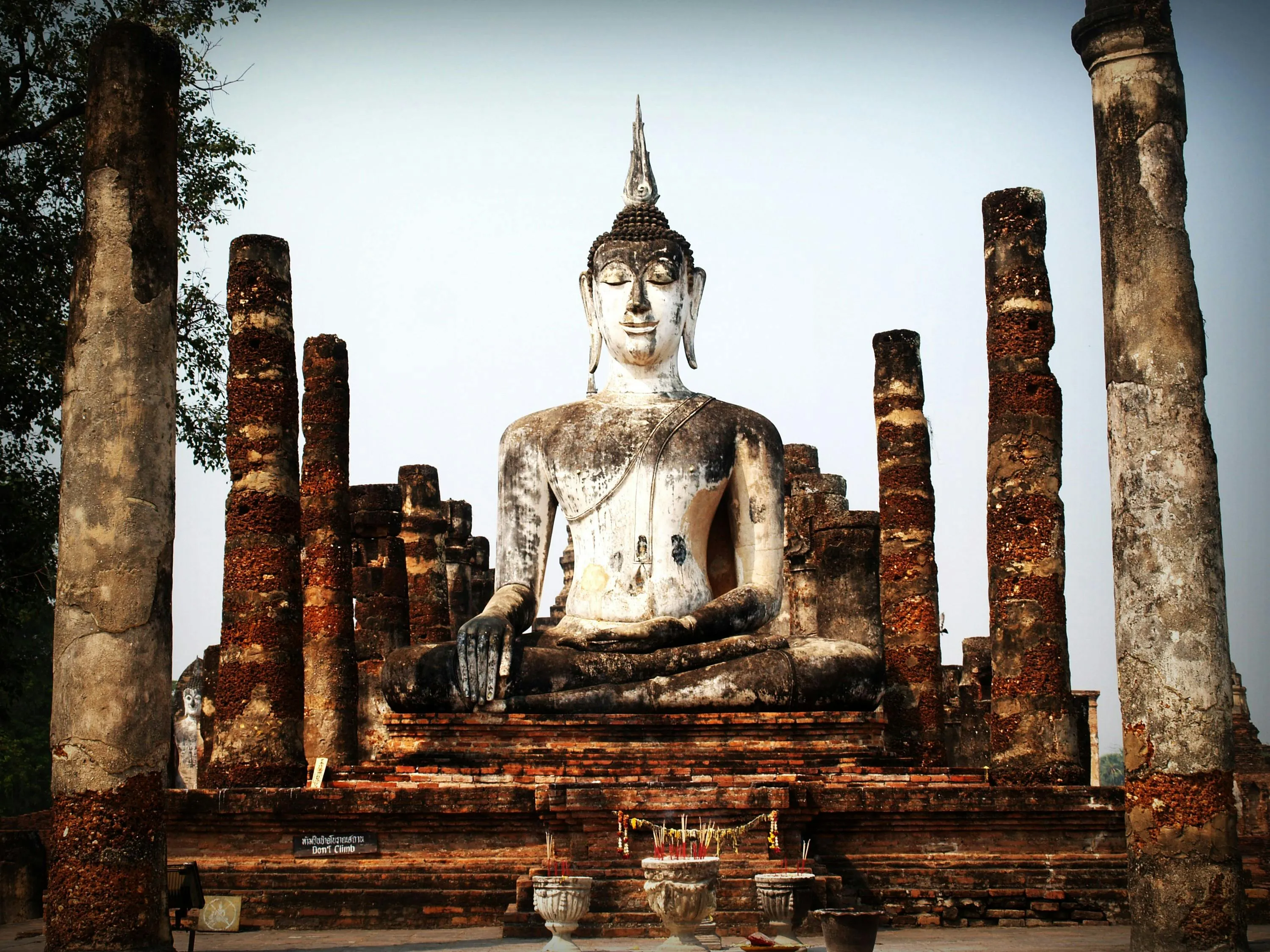
Standing as a silent witness to the passage of time, [Insert Landmark Name] has endured centuries of history, wars, natural disasters, and cultural shifts, remaining remarkably intact. Experts say that such resilience is rare, making this landmark not only an architectural marvel but also a vital symbol of heritage, identity, and human ingenuity.
Historians trace the origins of the landmark back to [insert approximate century or era], noting its significance in the social, religious, or political life of the region. “Structures like this are invaluable,” says Dr. Aisha Patel, a historian specializing in ancient architecture. “They allow us to connect with the past in ways that texts and artifacts alone cannot. Each stone tells a story of the people who built it, the events it survived, and the generations that preserved it.”
The landmark’s architecture reveals a blend of design techniques, materials, and artistry unique to its era. Over the years, careful restoration efforts have helped protect its structural integrity while maintaining authenticity. Advanced conservation techniques, including 3D scanning, structural reinforcement, and climate adaptation measures, have been employed to ensure that it withstands environmental pressures and the test of time.
Tourists and scholars alike flock to witness the landmark, drawn by its historical significance and the stories embedded in its walls. It has inspired countless studies, exhibitions, and media coverage, highlighting the importance of cultural preservation in a rapidly modernizing world. “Visiting this landmark is like stepping into history,” says Maria Lopez, an archaeologist who has conducted field research on-site. “It is remarkable how it continues to stand, almost as if it has absorbed the resilience of the generations that protected it.”
The landmark has also become a focal point for community engagement and education. Local schools, universities, and cultural organizations organize programs to teach younger generations about its historical, architectural, and social value. Initiatives to involve the public in preservation efforts, from guided tours to volunteer restoration projects, ensure that the connection between the landmark and the community remains strong.
Despite its durability, challenges persist. Environmental factors such as erosion, earthquakes, and pollution threaten its long-term survival. Additionally, balancing tourism with preservation requires careful management to prevent wear and damage. Conservationists emphasize that protecting such landmarks demands ongoing attention, funding, and international collaboration.
Global recognition has further underscored its significance. Organizations such as UNESCO and other heritage preservation bodies have highlighted the landmark as a model of endurance and cultural continuity. Its survival serves as a reminder of the resilience of human achievement and the importance of safeguarding history for future generations.
Ultimately, [Insert Landmark Name] stands as more than just a structure; it is a symbol of endurance, memory, and the enduring value of culture. Its continued existence bridges the past and present, inspiring awe and reflection while reminding the world of the delicate balance between preservation and change.
For those who visit, study, or simply hear its story, the landmark is a testament to the ingenuity, devotion, and resilience of humanity. Centuries have passed, civilizations have risen and fallen, yet this monument remains—a living witness to history, a treasure of the present, and a legacy for the future.